
What is a Regenerated Fiber? (Defining the Basics)
To answer the core question of what is a regenerated fiber (or what is a regenerated fibre in British English), it is a manufactured textile created by dissolving a natural raw material and then extruding it through a spinneret to form a new fiber structure. Technically, it is categorized as a regenerated fiber that is made of polymers that occur naturally, primarily plant-based cellulose.
If you are wondering exactly what regenerated fibers are made of, these textiles originate from natural resources like wood pulp, bamboo, or cotton linters. Because of this origin, any regenerated material acts as a bridge, combining the high breathability of natural materials with the versatile processing of chemical manufacturing.
For brands researching what are regenerated fibres suitable for mass production, the most common regenerated cellulose fibers include Viscose (Rayon), Tencel, Modal, Cuprammonium (Cupro), and even specialized protein-based variants like milk silk or soybean fiber.
The Intrinsic Properties & Appearance of Regenerated Fibers
Performance Characteristics
Regenerated cellulose fibers offer exceptional hygroscopicity (moisture absorption), excellent breathability, and superior dyeing properties. The resulting fabric feels incredibly soft, smooth, and comfortable against the skin. After dyeing, the colors are bright with good fastness. While they possess natural shrinkage properties and are susceptible to mold if improperly stored, they provide a premium tactile experience.
Appearance and Styling
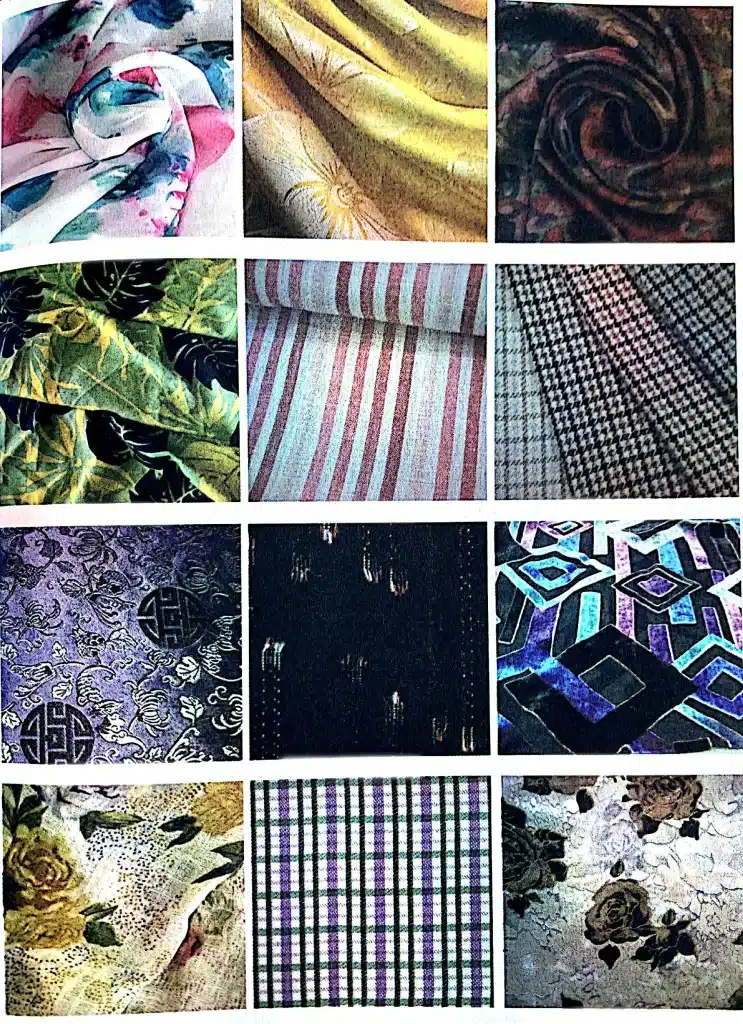
Because what is regenerated fibers ultimately comes down to a chemical extrusion process, their physical form is highly variable. They can be manufactured as long filaments or short staples, and finished to be glossy or matte. Viscose, the primary variety, can be engineered to mimic cotton (artificial cotton), wool (artificial wool), or silk (artificial silk) with outstanding drapability.
Seamless Manufacturing Application
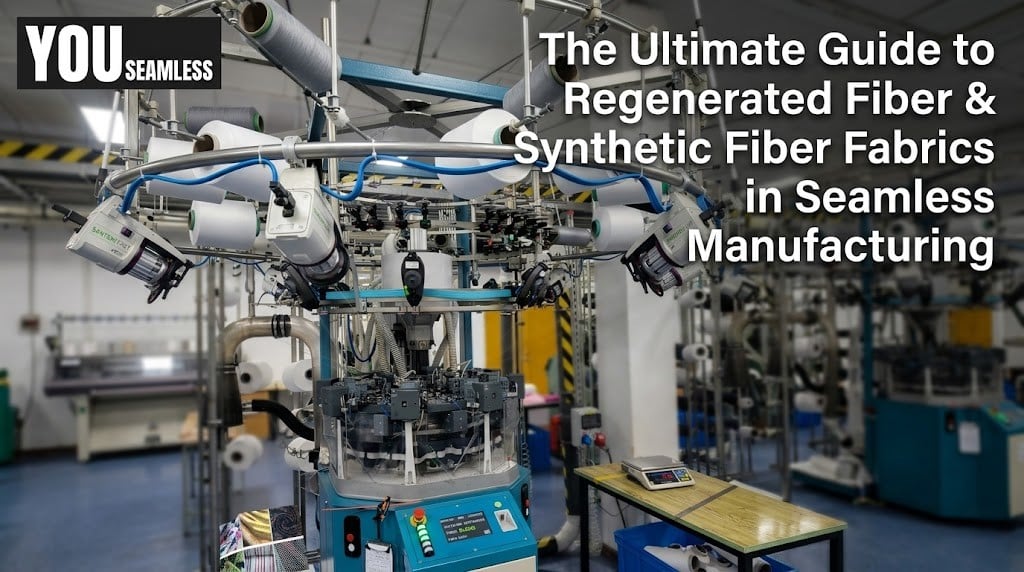
In our advanced seamless manufacturing processes, regenerated fibers lack the thermoplastic properties and absolute tensile strength of synthetics. However, their superior skin-friendly touch makes them invaluable. We frequently blend Modal or Tencel with Spandex on our Santoni circular knitting machines to manufacture high-end seamless loungewear and premium seamless underwear, carefully controlling yarn tension to prevent breakage during high-speed knitting.
Synthetic Fiber Fabrics: The Engine of Seamless Sportswear
Synthetic fiber fabrics refer to textiles mainly derived from petrochemicals, prominently including polyester, nylon, and acrylic. Unlike regenerated options, synthetics are entirely artificial.
Performance & Durability
Synthetic fabrics offer high tensile strength, remarkable wear resistance, firmness, and excellent color fastness. Crucially, they are thermoplastic—meaning they can be heat-set into permanent shapes, which is a mandatory requirement for structural athletic apparel. Their main drawback is poor moisture permeability compared to regenerated fibers, which can lead to static electricity or pilling if not treated.
Seamless Manufacturing Application
Nylon (specifically Nylon 6.6) and Polyester are the absolute backbone of global seamless activewear. In our YouSeamless facility, we utilize a precise plating technique—wrapping a high-stretch Spandex core securely with Nylon yarn—to create squat-proof, four-way stretch yoga leggings. Whether your brand is transitioning from traditional 4-needle 6-thread flatlock cut-and-sew designs to modern seamless construction, synthetic fibers provide the essential durability and targeted compression required for high-performance fitness apparel.
Fabric Examples & Brand Inventory Management
A well-engineered garment rarely relies on a single fiber.
- Regenerated Blends: Tencel blended fabric, modal underwear, milk silk, and viscose-spandex blends.
- Synthetic Blends: Nylon-spandex, polyester-nylon interwoven fabrics, and core-spun elastic fabrics designed for tight-fitting activewear.
When planning your B2B purchasing and managing brand inventory, efficiency is just as important as the material blend. We strongly recommend standardizing your product color naming conventions. Stick to clear, industry-standard terms like “Black” rather than abstract marketing names, and utilize precise abbreviations such as “L. Blue” and “D. Blue” for light and dark variations. This significantly streamlines bulk manufacturing, quality control, and inventory sorting.
Frequently Asked Questions
What are regenerated fibres?
A regenerated fibre is categorized as a regenerated fiber that is made of polymers naturally occurring in the environment, primarily cellulose. Unlike purely synthetic materials derived from petrochemicals, these fibers represent a hybrid textile—starting from nature but transformed through advanced chemical extrusion processes to create highly uniform, breathable, and soft yarns for garment manufacturing.
Exactly what materials are regenerated fibers made of?
When procurement teams ask what regenerated fibers are made of, these textiles are typically derived from plant-based cellulose sources such as wood pulp (used in Tencel and Rayon), bamboo, or cotton linters. Through manufacturing, this regenerated material bridges the gap between the natural comfort of cotton and the engineered consistency required for circular knitting.
Are regenerated cellulose fibers suitable for high-intensity seamless activewear?
Generally, no. While regenerated cellulose fibers like Modal and Viscose offer exceptional skin-friendly properties and moisture absorption, they lack the tensile strength, elasticity, and thermoplasticity needed for high-compression athletic wear. For squat-proof seamless leggings and high-impact sports bras, we engineer garments using synthetic fibers like Nylon 6.6 plated with Spandex. We reserve regenerated fibers primarily for our premium seamless underwear and loungewear collections.
How do different fiber dyes impact B2B inventory management?
Both regenerated and synthetic fibers hold dye exceptionally well, yielding vibrant colors. However, when managing bulk inventory for these dyed fabrics, operational efficiency is critical. We strictly apply simplified, industry-standard color naming conventions to prevent supply chain errors. For instance, we use standard terms like “Black” rather than abstract marketing names, and utilize precise abbreviations such as “L. Grey” and “D. Grey” for light and dark variations. This standardized approach guarantees accuracy across the production line and warehouse.
Need to optimize your next activewear collection? Deciding whether your next product line should utilize a Modal-blend for extreme comfort or a Nylon-Spandex blend for high compression can dictate your market success. Our engineering team at YouSeamless offers professional, free yarn-matching consultations. Contact us today to request our latest seamless sportswear catalog or arrange for customized sample testing from our global showrooms.
